



.png)
Justin Paquette flew to Dubai with three bags: one carry-on with his passport and work laptop, one checked bag with clothes for two weeks, and a second checked bag packed full of Commure merch. A hospital group in the UAE had just started a 60-day pilot of Commure's Ambient AI, and he landed as optimistic as he had ever been about a customer. After more than a year in the making, he told himself the whole flight over that the next two weeks were going to move the needle, that this was the last one percent the customer would remember when the pilot ended and it came time to sign.
He spent his days on site with providers and his nights in the hotel with his laptop open. Providers at the site moved between English and Arabic inside a single visit, so Justin worked with engineering on how the system detects the language of each recording, building the change to hold across every language Ambient supports rather than solve for one customer. He drafted and tested a second change the same week, tuning provider activity logic, and engineering reviewed it and pushed it live for the customer inside a week. Two days after the language change shipped, notes across the site were generating 20% faster.
That contrast, between the suitcase full of merch and the hotel room with a laptop open, is more or less the job. Justin is a Sales Engineer at Commure, a little under two years into the company across two roles and almost a year on the sales engineering team.

His path here did not start in software. He grew up in central Massachusetts and went to a vocational high school, where he studied plumbing. During his senior year, he was placed in a co-op program where every other week he reported to a local plumbing shop at 6 am, and spent the day building commercial apartments. He made $10.25 an hour and thought it was a fortune, and he wasn’t sure he would go to college at all.
He ended up in the computer engineering program at UNH, then spent the first years of his career working on point-to-point radio and IoT networks, first in San Antonio and then back in the Northeast. By his own description, he does not think like the stereotypical Silicon Valley startup person, and he wants candidates to know that the background doesn't matter as much as what you do in the room. If you'll show up, adapt to the people who are already there, and fix the thing in front of you, there is room at Commure for you.
He joined Commure to work on a hardware deployment for a different team, and for his first stretch the rest of the company was something he knew about but had never touched. That changed on a project with a health system in New Orleans. The security staff there were required to write reports on every incident they responded to, and for a lot of them it was faster to say what happened than to write it down. Justin's manager told him to get in touch with Max Krueger, who leads Commure's forward-deployed engineering team, and see if Max could set up an Ambient AI account so the security team could dictate their reports instead. Fifteen minutes later, he had one. Not long after, Justin was sitting at the security chief's desk, plugged into his email, troubleshooting a USB microphone so the demo would run. He points to that moment as the day he actually joined Commure. When his original team's work wound down, he asked if there was any way he could work for Max, and Commure said yes.
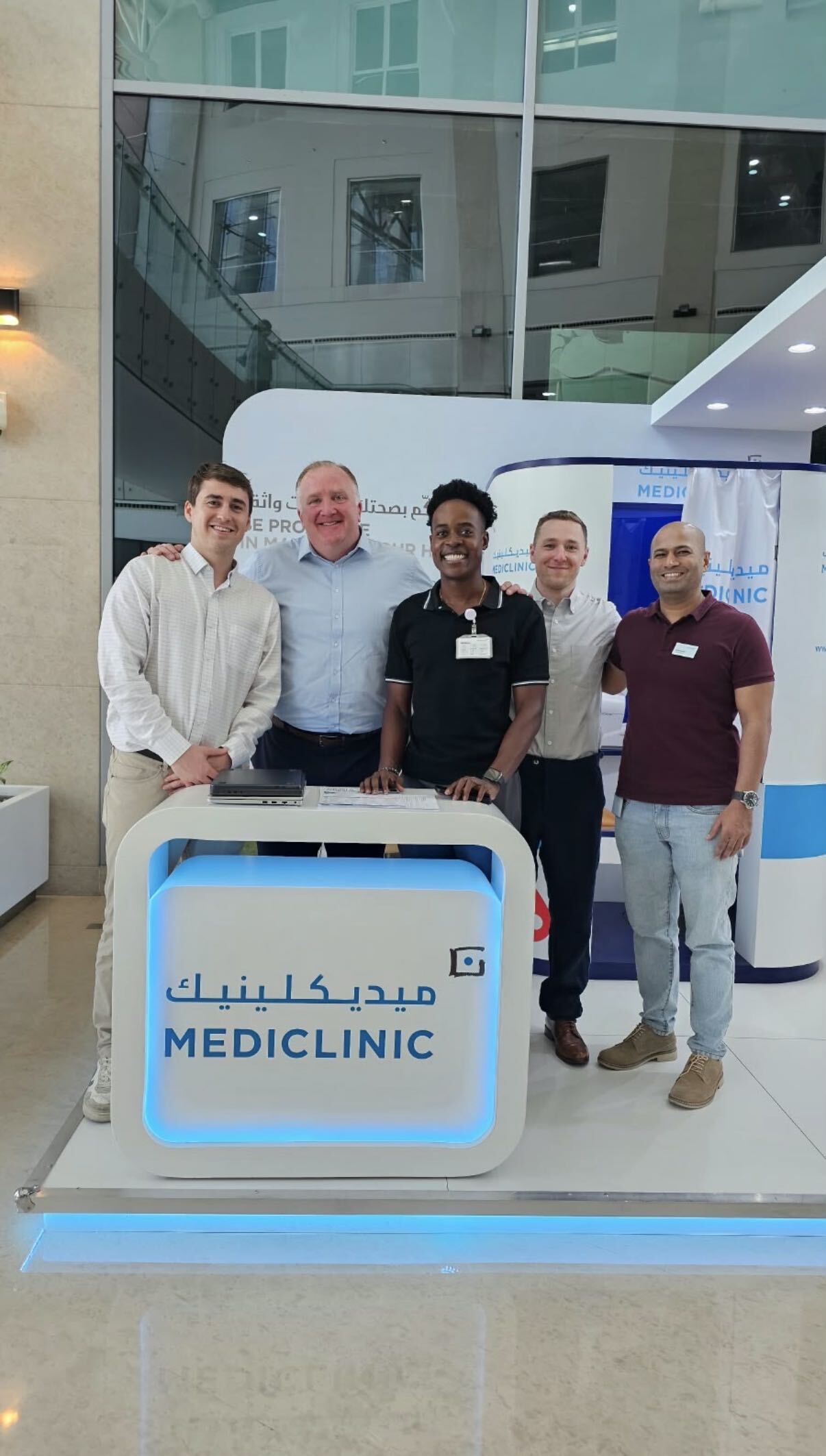
Sales engineering at Commure is a wide-ranging job, which is part of why Justin likes it. He builds mockups and proofs of concept for demos, scopes integrations on the technical side of deals, configures accounts and templates, and helps with go-to-market work as it comes up. He works directly for Paul Pettit, who, on Justin's first day, walked him through a folder of internal tools and typed out prompts in real time to show how he thought about them. Justin describes the experience as catching fire. The team moves at Paul's rapid pace, and Justin found that not only could he keep up, he also loved the speed at which the team operated.
A less visible part of his week is release notes. Justin works with the product manager for Commure Pro to coordinate releases for one of the largest health systems in the country, which has strict validation requirements and an equally strict expectation for how release notes arrive.
Consolidating everything that changes in a release into one place, so that every rep and customer success manager is working from the same document, is work that seems small but prevents large problems. Some of that documentation was migrated from PatientKeeper repositories that are more than twenty years old. Asked which day at Commure he'll still be talking about in five years, Justin skipped the once-in-a-lifetime trip to Dubai and picked the release notes, because at the pace Commure's products change, the unglamorous documentation automation is the thing most likely to still be around.
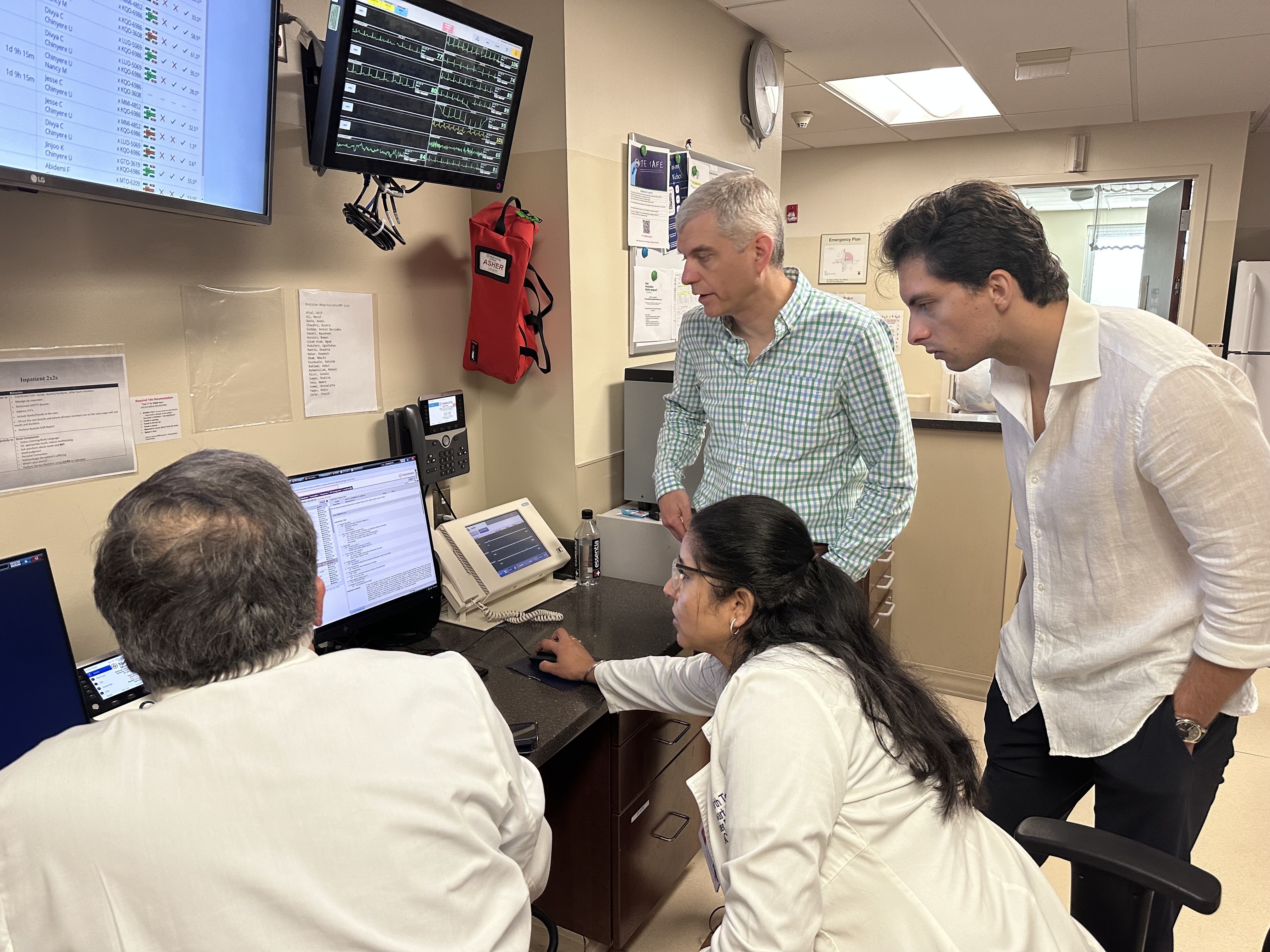
The way he treats that work traces back to plumbing. Beyond the co-op, he spent weekends and summers doing residential repairs with his shop teacher, repairing fixtures and replacing heating systems in other people's homes. What stuck with him was the rule about the blue booties, which you put on in every house, no matter what you think of how the person lives. "It's always important to have that level of respect," he said. "You're a visitor on their turf." He feels the same thing now when he walks into a provider's office with two minutes between appointments to set up a macro, get them logged in, or take down feedback for the quality team. The people in that room have a reason to be there, and he is the one who has to adapt.
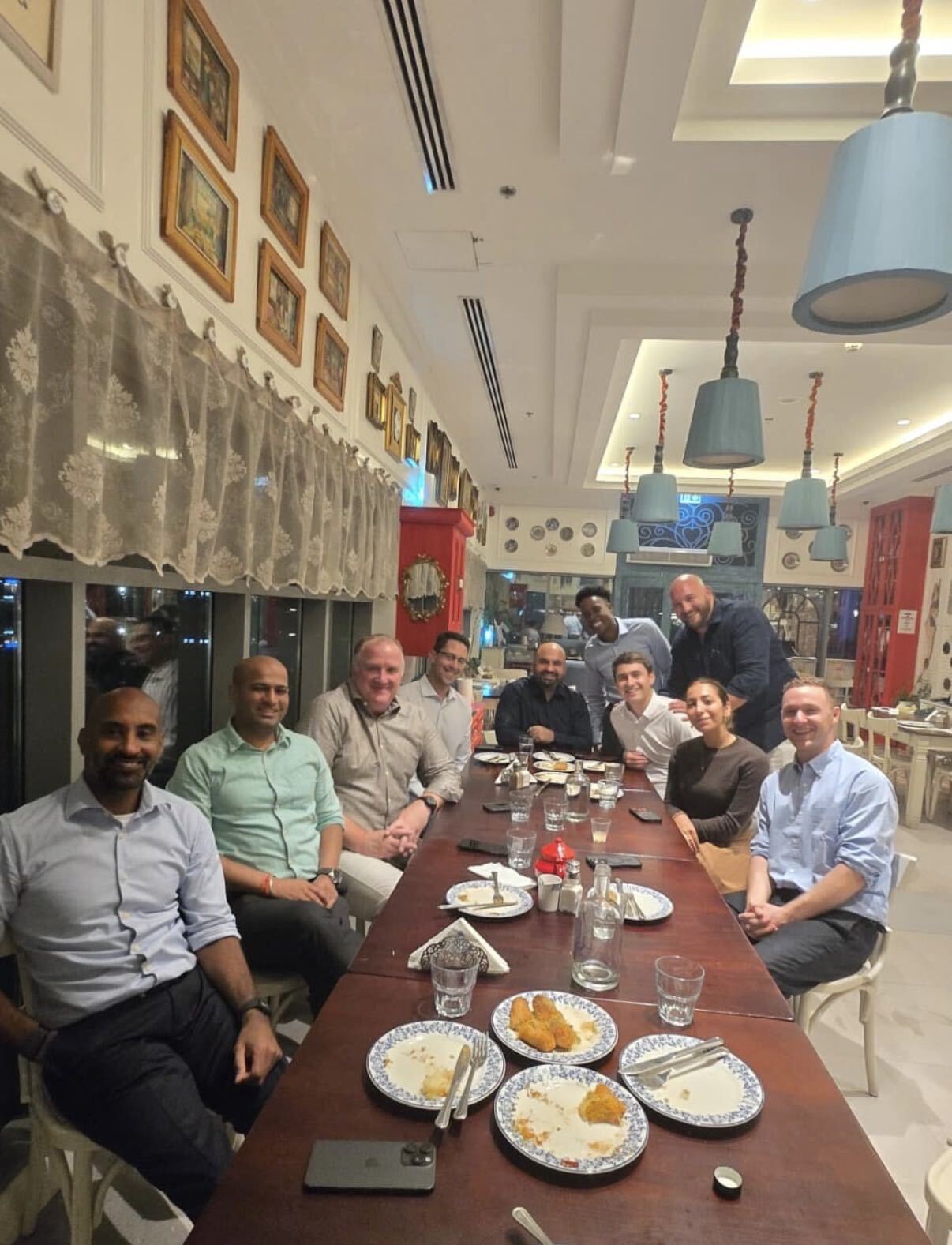
What has kept him at Commure is permission to be half-right early. He does his best work when he can float an idea before it's bulletproof, get a quick response, reach alignment, then start building. Rather than sitting around wondering whether there's a more polished way to say it. Commure rewards the authentic, timely answer over the perfect one. The expectation isn't that you never fail; it's that you never fail the same way twice.
He sees the same standard at every level of the company, from the CEO's late-night emails and Max's faithful weekly status updates down to the teams he's only ever worked with once or twice. He didn't always have it. It came from watching a nurse take a device he had just handed her and say she felt safer, and later from watching providers react to Ambient AI the same way.
"Don't get caught up on what your current title is; think about what your title could be in six to twelve months. That's how I would describe working at Commure."

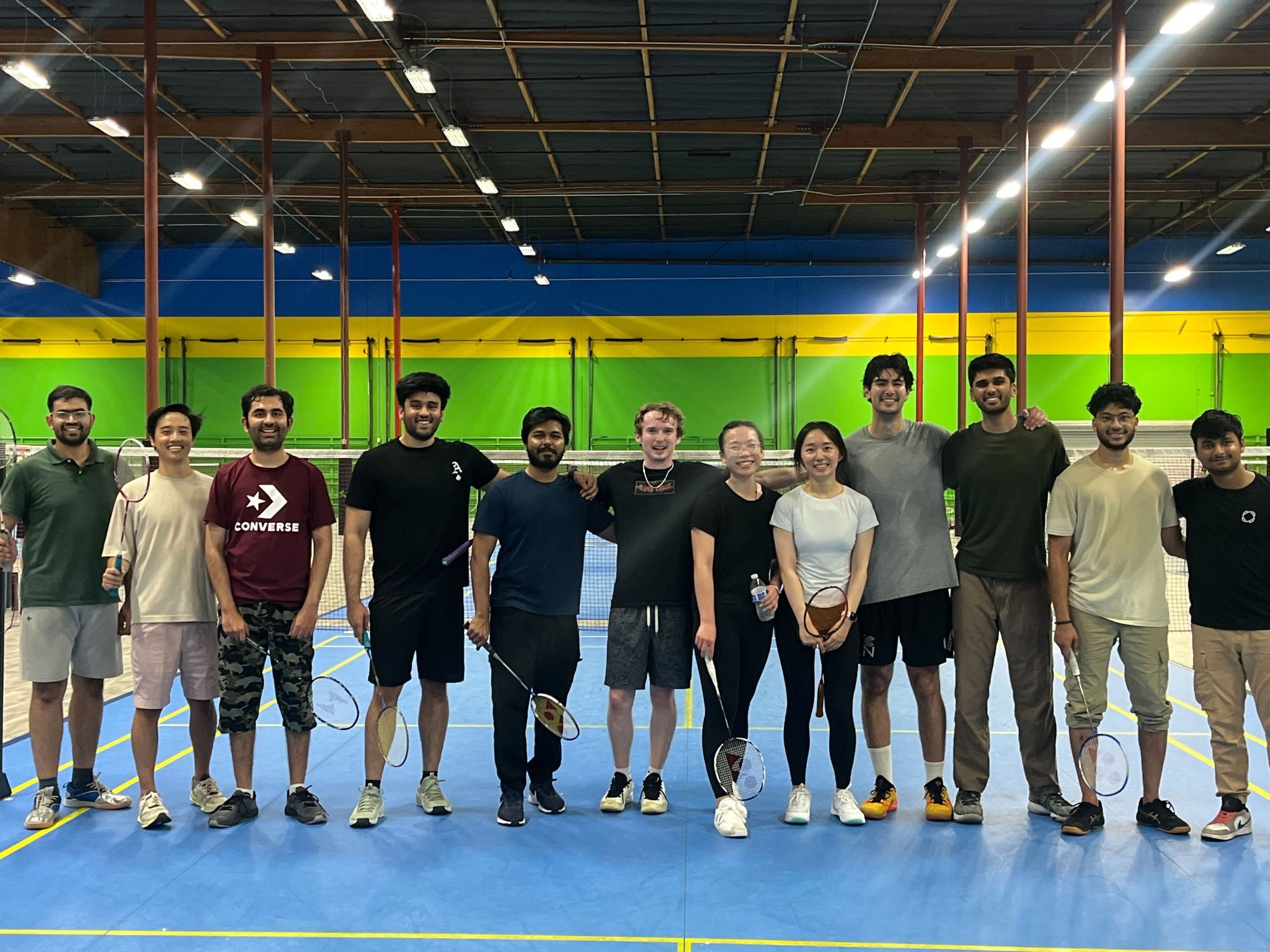
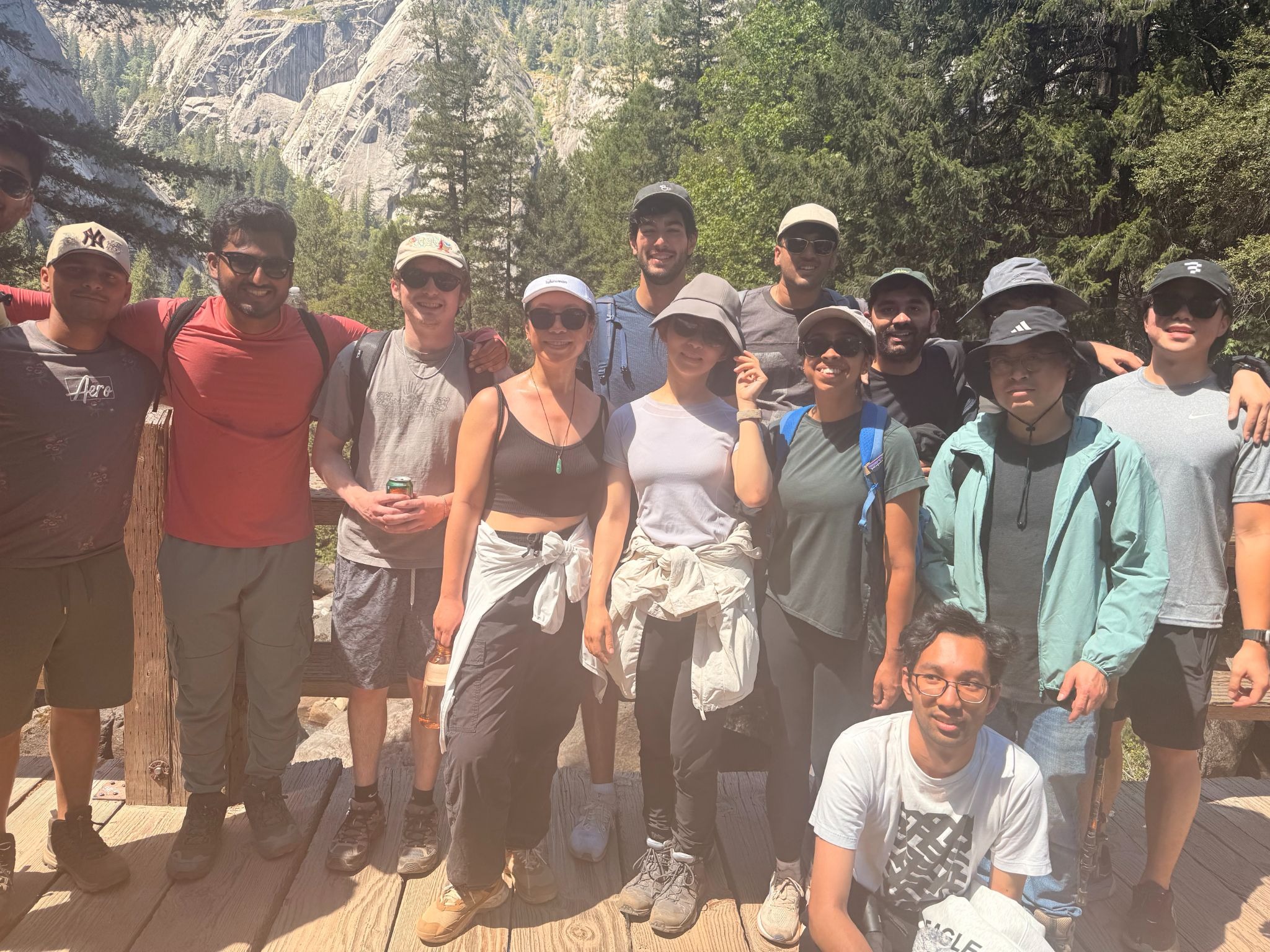
He and his fiancée bought their first house together around the same time he joined the sales engineering team, which replaced some of his old hobbies like tennis and hiking with new ones like gardening, shoveling, and installing dishwashers. He also found time in Dubai for an evening in the dunes with two colleagues, taking turns driving a rented off-road vehicle and paying a man with a falcon to let them pose for photos. He would do the dunes again. He would also, without hesitation, do the late-night hotel room troubleshooting again.
Interested in a career building the next generation of healthcare technology powered by AI? We are always looking for talented people across our departments.
Explore Career Opportunities
Share this story







.jpeg)
.png)