




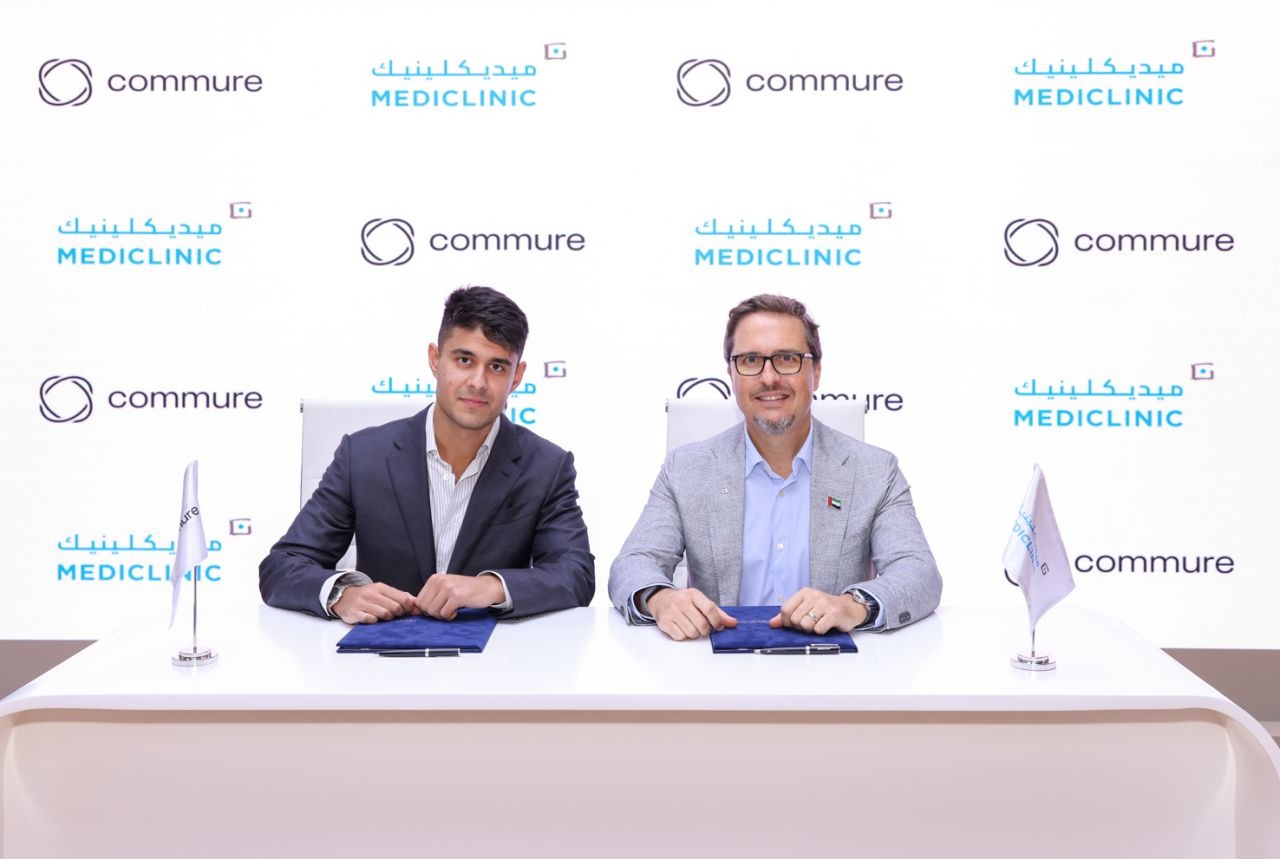
The keyboard changed what a consultation looks like. A doctor who should be reading a patient’s face is instead typing into a chart. Mediclinic Middle East and Commure marked their collaboration at the Abu Dhabi Future Health Summit 2026 on 21 October to move that work off the clinician’s hands, with Commure Ambient AI supporting clinical documentation for doctors at Mediclinic Parkview Hospital and Mediclinic City Hospital in Dubai.
Ambient AI listens to the clinician-patient conversation and turns it into a structured clinical note. Leveraging Commure’s deep integration capabilities across 60+ EHRs, the note lands in the EHR the doctor already works in, InterSystem TrakCare. No copy and paste between a separate app and the chart. The clinician reviews, reconciles and signs it. That review step is how accountability stays with the person who examined the patient, and it is the reason clinicians trust the output enough to keep using it.
Language is the part of this work that matters most in the UAE. A Dubai clinic sees patients across Arabic, English and a long list of others in a single session, and documentation quality cannot drop when the consultation switches languages. Commure Ambient AI supports 100+ languages and dialects with a high-degree of accuracy, and the system is being tailored to Arabic-language performance for Mediclinic.
Hein van Eck, Chief Executive Officer of Mediclinic Middle East, framed the point directly in the announcement: innovation has to make care better for patients and support clinical teams, rather than exist for its own sake.
Across Commure’s customers, ambient documentation returns about 90 minutes per provider per day, on more than 40 million ambient appointments a year across 80+ specialties. Time back is the visible result. What makes it last is where the note goes: into the chart the clinician already works in, written back as structured data that the hospital's own systems can read.
What Tanay Tandon told the panel in Abu Dhabi
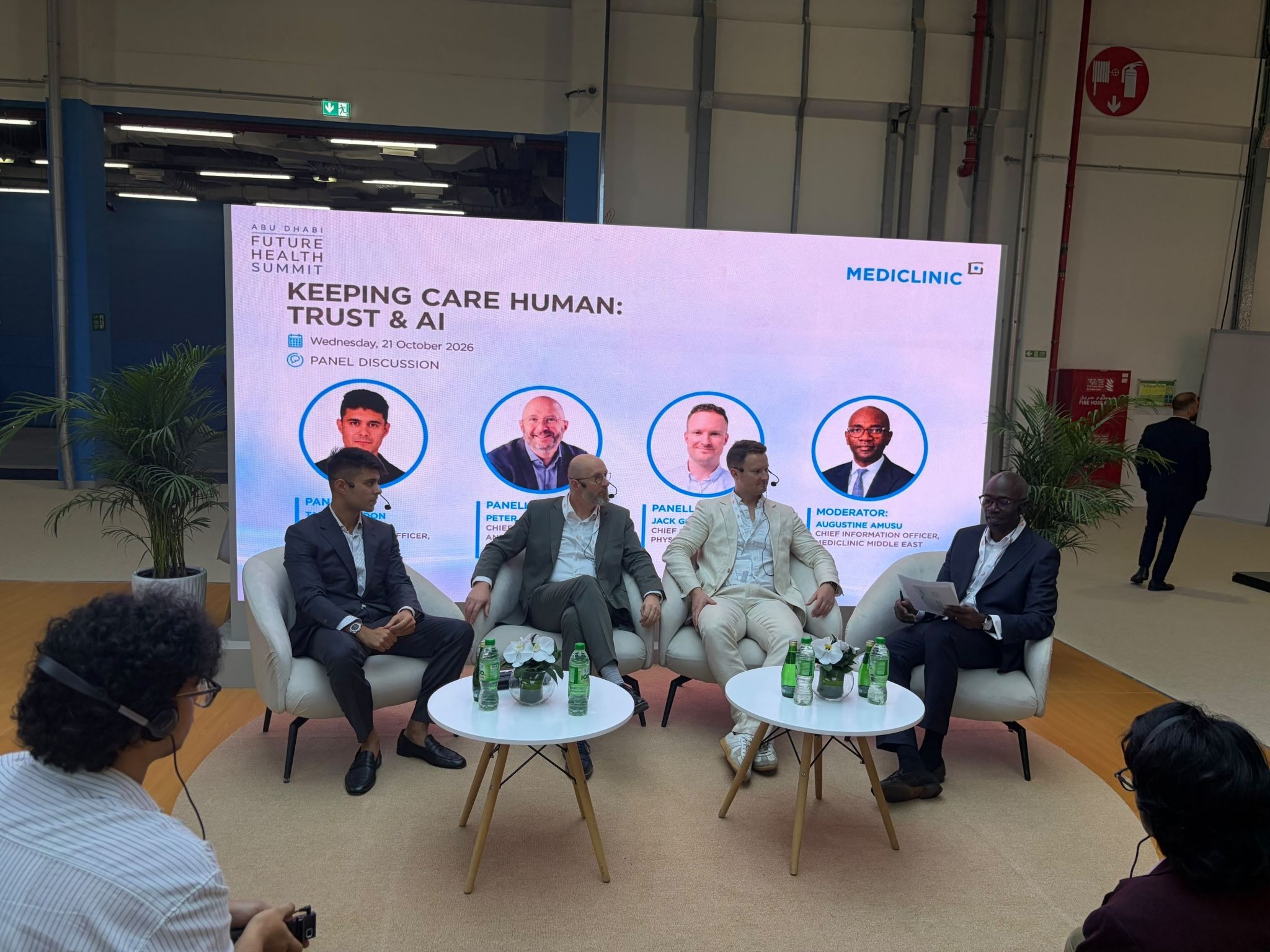
Tanay Tandon, Co-founder and CEO of Commure, joined Mediclinic Middle East CIO Augustine Amusu, Jack Goodwin of Physitrack and Peter Julius of Public Intelligence for “Keeping Care Human: Trust & AI” at the ADNEC Centre Abu Dhabi on 21 October. His argument on stage: accuracy earns trust one note at a time, and the clinician reviews and signs every note, so accountability stays with the person who examined the patient.
Read the full announcement: https://www.wam.ae/en/article/c2us5ad-mediclinic-middle-east-commure-collaborate-advance
If you lead clinical informatics at a multilingual health system, get in touch with our team: commure.com/contact.
Share this story