




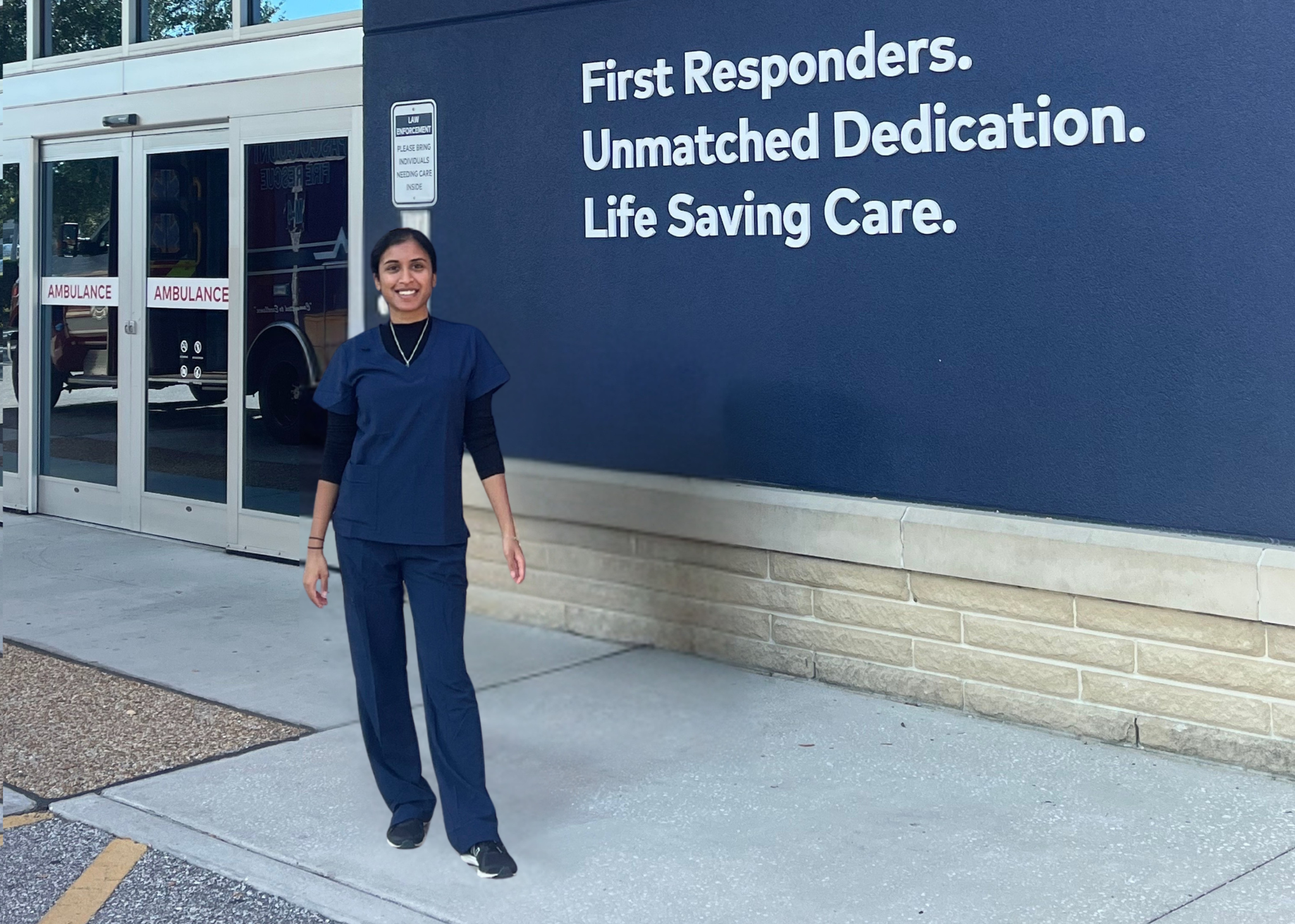
Before we built Patient360, my team and I spent weeks shadowing providers across hospitals and ambulatory clinics. The pattern was hard to miss: providers were spending 10 to 20 minutes prepping for a patient they'd see for 5 or 10 minutes.
And that prep time wasn't spent thinking about the patient. It was clicking through the EHR, pulling up labs and imaging one screen at a time, and calling around to track down documents that never made it into the chart.
Tens of thousands of providers now use it to walk into visits already caught up; this post is about what they've taught us so far.
The medical note was only half the problem
Commure Ambient AI solved clinical documentation. Providers stopped working on documentation at 10 pm and are now finishing their notes within a few minutes.
But when we asked providers where their remaining time was going, they pointed to everything that happens before the visit. Documentation had gotten faster while prep was still as slow as it had always been.
Providers didn't go to medical school to click through 20 screens collecting information. They went to make judgments and care for patients. Our job at Commure is to synthesize everything and hand it to them so they can do exactly that.
So we started building beyond the note. Patient360 is a complete clinical picture of the patient, assembled continuously from EHR data: labs, imaging, medications, allergies, signed notes, and past appointments.
That picture powers two things providers touch every day. The first is an AI pre-visit summary that gets a provider current on a patient in about 60 seconds, tailored to their specialty. The second is an AI assistant that answers natural-language questions about the chart, like "any abnormal labs since the last visit?"
Specialty tailoring was a day-one decision. A cardiologist and an orthopedic surgeon need different labs, different baselines, and different acronyms, so a generic summary gets you 60% of the way, which still leaves the provider digging through the EHR to close the gap. With insights from specialists working in the field every day, we created specialty-specific summaries for cardiology, orthopedics, oncology, OBGYN, and more.
"Patient360 gave me exactly what I needed to prep for the visit — the right level of patient-centered information, surfaced at the right time. The reminders on incomplete tests were especially valuable. We've been extremely pleased with the pre-visit summary." — Kansas Heart
What providers have taught us so far
The most common feedback in our early rollouts was a request for more. Providers who had the summary and assistant before the visit asked if they could have access to the tools during and after the visit as well.
The second lesson was how dramatically prep timing shifts once the work is done for you. One clinical practice told us they used to prep charts a full week ahead because the process took so long. Now their providers review the summary 2 minutes before walking in.
"Patient360 has been extremely helpful. Yesterday, with a busy clinic schedule and an eval about to start, I used it to quickly get the key context for the visit. It gave me exactly the information I needed and saved me several minutes of going into the chart to find the information." — Athens Orthopedics
The third surprised me. Some care teams included Patient360 as part of their daily huddle, pulling it up so everyone's current on a patient in seconds before discussing the case. We built it for individual prep, and providers turned it into a collaboration tool.
And the fourth is my favorite. Providers who had been hesitant about recording visits at all loved Patient360 once they saw what it gave them in return.
"Seeing providers who are typically slower to adopt new technology quickly embrace Commure, and specifically Patient360, has been a huge win. They're using it daily to prepare for visits faster and review patient information more efficiently. Now we want to see it rolled out across the entire site." — Mountainlands Community Health Center
Trust is everything
Every enterprise conversation I have starts with some version of the same question: how do I know the data is correct and safe?
It's the right question. A summary that's wrong, or that omits something like a prior heart attack, can be nearly as harmful as the EHR chaos it replaced. Trust in healthcare AI has to be earned in the product itself, so we built it with trust as the leading factor from the start.
Every insight in Patient360 links back to its source in the chart. If a provider wants to verify where a statement came from, the citation is one click away.
And when the chart conflicts with itself (which happens constantly when different providers document different things), instead of picking a winner, we surface the conflict on the summary so the clinician can make the call with full information.
What providers consistently asked us
Across these first rollouts, providers and health system leaders kept pressing us on the same three questions. They're the right ones to ask of any tool in this space.
Is this built for a provider like me? Generic summaries create noise as often as they save time. Providers wanted to know the summary was tailored to their specialty, because different clinical workflows genuinely need different things.
Can I trust the data? They asked how we handle conflicting information, whether every insight is cited to its source, and how we think about what's missing, since an absent heart attack is nearly as dangerous as an invented one.
Does it fit the workflow I already have? The worst outcome is a tool providers have to learn. Patient360 was built alongside clinicians from the first design review, and our bar is zero-second training: you open it, and you're ready.
Where Patient360 goes next
Patient360 started as the picture a provider sees before the visit. It's becoming the insights layer underneath the whole encounter.
Pre-charting is next: Patient360 context will flow directly into the medical note, so relevant history, labs, and the HPI foundation are already in place before the provider enters the room and starts documenting the encounter. We're also ingesting the documents and detailed medical history that live as PDFs in the chart, like scanned imaging results and referral packets, so nothing gets left out of the picture.
After that comes in-visit intelligence: care suggestions that surface in real time as the conversation unfolds, always as options the provider can accept or dismiss, never decisions made on their behalf.
Our goal is the same one we started with. Providers should spend their training and judgment on patients, and Patient360 exists to clear away everything standing in between.
If your team is still prepping charts a week in advance, come see what a 2-minute prep workflow actually looks like. Email us at solutions@commure.com or book a demo via the button below.
Share this story



.png)



.jpeg)