



You likely had several options — why did you choose Commure?
Gautam Pradeep, Senior Software Engineer (BS Computer Science & Master's in Management Science & Engineering): I cared about healthcare, and I had worked in this field before. Everyone I spoke to about Commure emphasized how the culture fuels you to learn, grow, and become a stronger version of yourself every day. I was motivated by a challenge and was excited to dive deep into the field. I was also very excited about an in-person culture as my first full-time job.
Sabina Aliev, Senior Manager, Implementation (Master's in Community Health and Preventive Research): I knew I wanted to work in healthcare as I’d seen the inefficiencies in the system firsthand, and those were the problems I wanted to help solve. What drew me to Commure was that the vision felt bigger. It wasn’t about fixing one narrow issue, but building an ecosystem to tackle healthcare inefficiencies from multiple angles. That felt ambitious in the right way. Ownership was also a big factor. I kept hearing that you’re not boxed into one function. You collaborate across teams, shape product and process, and actually own things end to end. It felt like a place where I could have a real impact pretty quickly.
Luke Pattan, Vice President, GTM Ops (Master's in Business Administration): I chose Commure because of the opportunity to have a much broader impact in healthcare through software. In my previous roles at companies like Capsule and Charlie Health, impact was often constrained by human capacity—whether that was filling prescriptions or delivering therapy sessions. With software, you can scale improvements across thousands of providers and patients simultaneously. Commure stood out as a company where those scaling dynamics were already taking hold. It felt like a chance to apply my background while operating in a much higher-leverage environment.
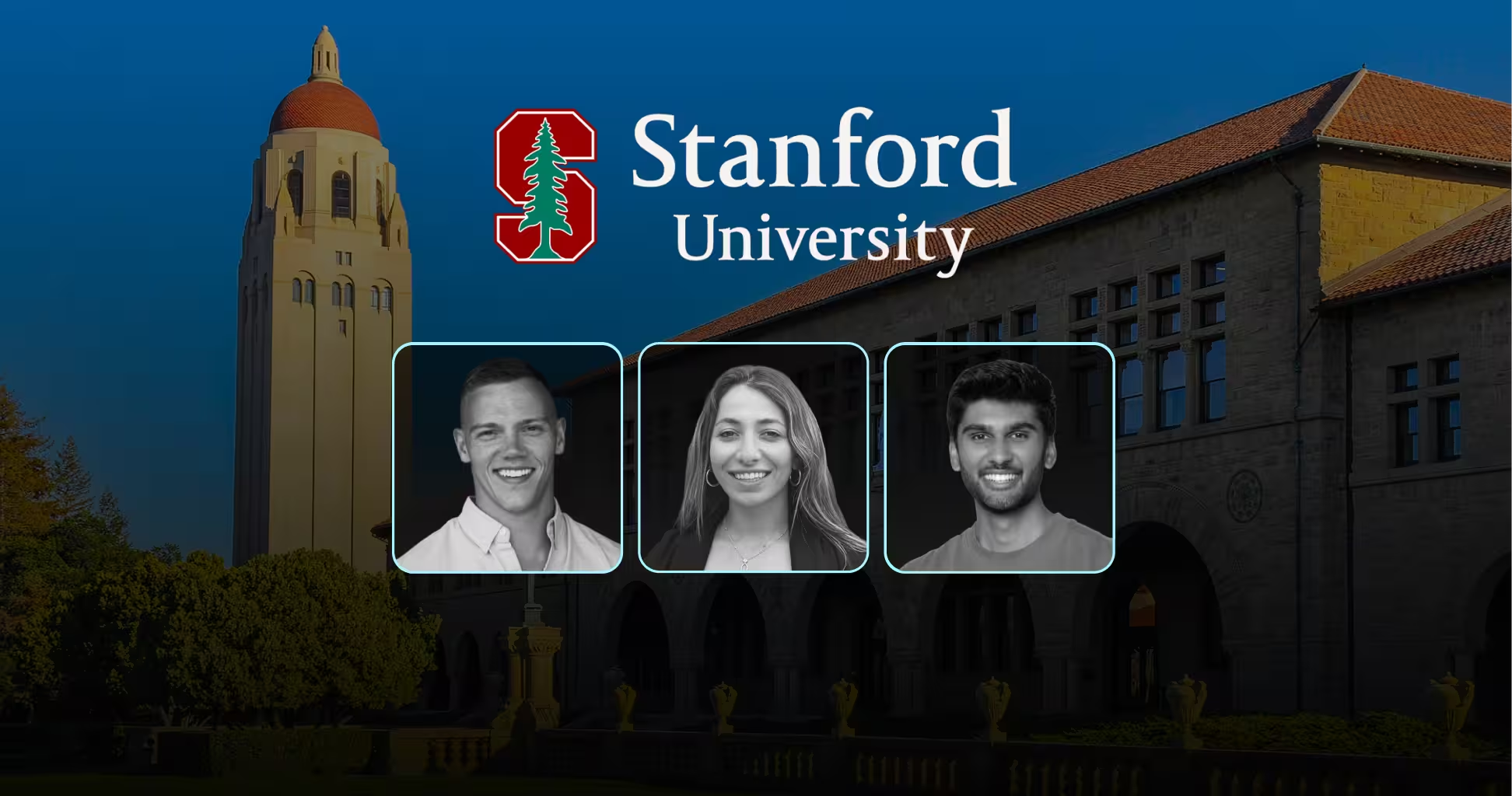
How did Stanford prepare you for working at Commure?
Gautam: I was used to the idea of wearing many hats and taking on whatever roles I needed to. Whether that was a heads-down engineer, talking to customers, or interviewing fellow potential colleagues. Stanford has a strong culture of building well-rounded people. I think being able to tackle challenges across the stack and becoming comfortable being thrown into unfamiliar territories is an advantageous skill.
Sabina: Stanford taught me to look at problems from all sides. We were constantly asking: What are we actually trying to solve? Who are the stakeholders? What incentives are driving behavior? What are the second-order effects? I learned to think in systems, not in silos, and to get comfortable with messy, multifaceted problems. I also did my thesis in partnership with Omada Health, which gave me early exposure to how technology can solve real healthcare challenges. That connection between systems thinking and real-world innovation stuck with me.
Luke: Stanford prepared me by immersing me in the intensity and ambition of Silicon Valley. It gave me firsthand exposure to world-class operators, engineers, and investors, many of whom reflect the same mindset you see at Commure. The GSB ethos – “change lives, change organizations, change the world” – maps closely to what Commure is trying to achieve in healthcare. I also developed a strong foundation in managing and scaling teams, which has been directly applicable. Just as importantly, it taught me how to operate in fast-paced, high-expectation environments with a bunch of people who’re way smarter than you!
What is something you are really proud of accomplishing?
Gautam: I built out a new feature that unlocked a lot of market potential for Scribe that allows clinics with multiple doctors and multiple MAs, PAs, and medical scribes to integrate the app into their workflows collaboratively. It took a lot of scoping, cross-team communication, and speed – without compromising quality. Have seen a lot of doctors use it and enjoy the flexibility it has provided to their workflow
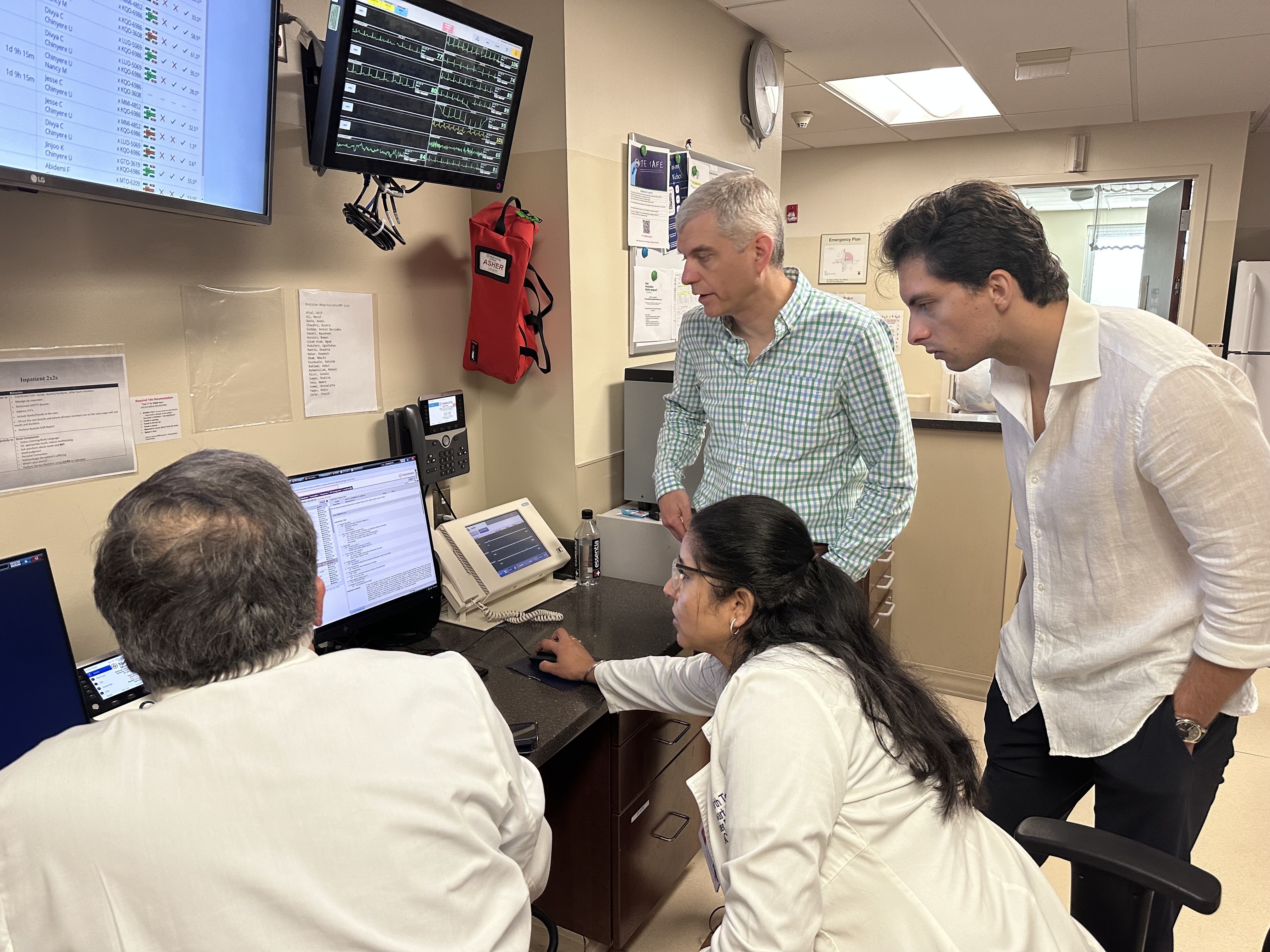
Sabina: The discovery work I’ve done onsite with clients and the early testing has helped shape our product. Spending time in the field, observing workflows, and gathering real provider feedback has allowed me to surface needs in a tangible way. Features like macros, CareCues, and carry forward all came from listening closely to customers and bringing those insights back to our product and engineering team.
Luke: I’m particularly proud of the team we’ve built within GTM Operations. Watching early-career team members take on larger responsibilities and grow into leaders has been incredibly fulfilling. I’ve also operationalized and up-leveled key functions like RevOps and Enablement, and built a Marketing function (including branding, events, and digital growth) from scratch. Seeing those systems drive quota and team performance has been a major milestone. It’s been exciting to build something foundational that the company can continue to scale on.
What’s something you love about your team that has nothing to do with work?
Gautam: They are all so down-to-earth and kind. I have 1:1 relationships with each team member. Coming in with that looming dread of parting ways with all your college friends, I genuinely felt welcomed and a strong sense of community.
Sabina: Honestly, everyone just really cares. People get genuinely excited about the impact we’re having on providers, and that energy is contagious. The team is just full of really good humans. Everyone is helpful, low ego, and easy to talk to.
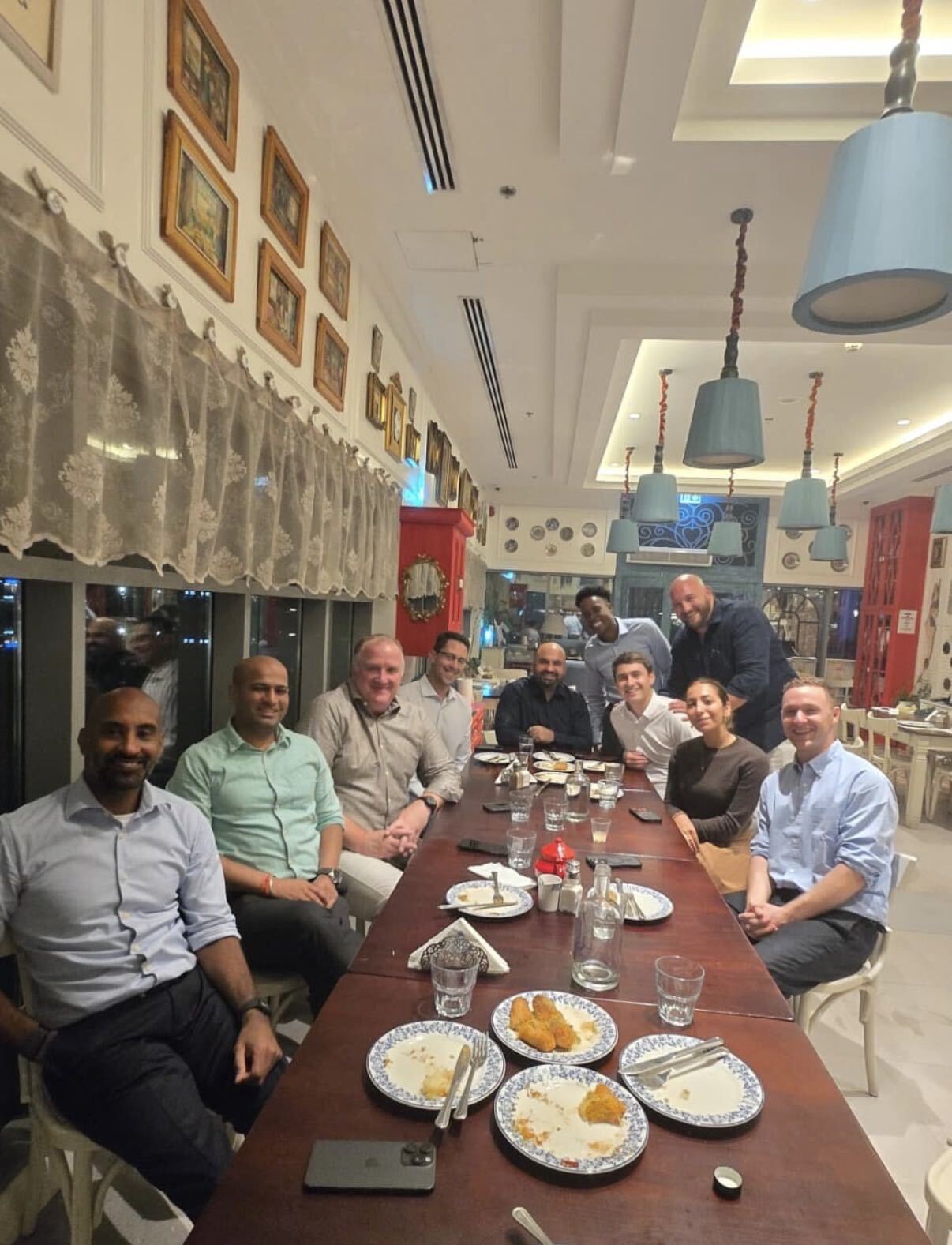
Luke: One thing I love is how strong the New York City presence is on the team. It brings a unique energy – people are driven, scrappy, and know how to work hard. There’s also a shared appreciation for enjoying time together outside of work, whether that’s dinners or nights out. That balance of intensity and camaraderie makes the team special. It creates a culture that’s both high-performing and genuinely fun.
What would you tell another Stanford student considering Commure today?
Gautam: If you like to learn, work hard, and make a real-world impact - come join. Many companies like to flaunt that they are impactful, but seeing doctors get hours of their day back to be with their families makes all the work worth it. It’s one thing to hear about social impact from inside the company or an elite school. It’s another thing to hear it directly from the real people bearing the fruits of your labor.
Sabina: If you care about healthcare and want real ownership early on, this is a great place to be. You won’t be stuck in a tiny corner of a big machine. You’ll be close to the product, the customers, and the decisions. It’s fast-paced and sometimes messy, but you’ll learn a lot, quickly. If that excites you more than having everything perfectly structured, it’s a really fun place to grow.
Luke: I’d tell them that Commure is a place where performance and impact truly matter. It’s a no-nonsense environment where success comes from delivering real results for customers. If you’re excited by hard work, it’s an incredible place to grow quickly. You’ll be pushed outside your comfort zone, but that’s where opportunity lies. For someone who wants to build, learn fast, and make a tangible impact, it’s a great fit.
Share this story




.png)





.jpeg)
.png)