Insights for clinical leaders, physicians, nurses, and care teams focused on improving care delivery, reducing administrative burden, and enhancing the clinical experience.
Commure and Athelas sign deal to acquire Augmedix (NASDAQ: AUGX), creating the largest artificial intelligence software provider in healthcare
Tanay Tandon
|
July 16, 2024
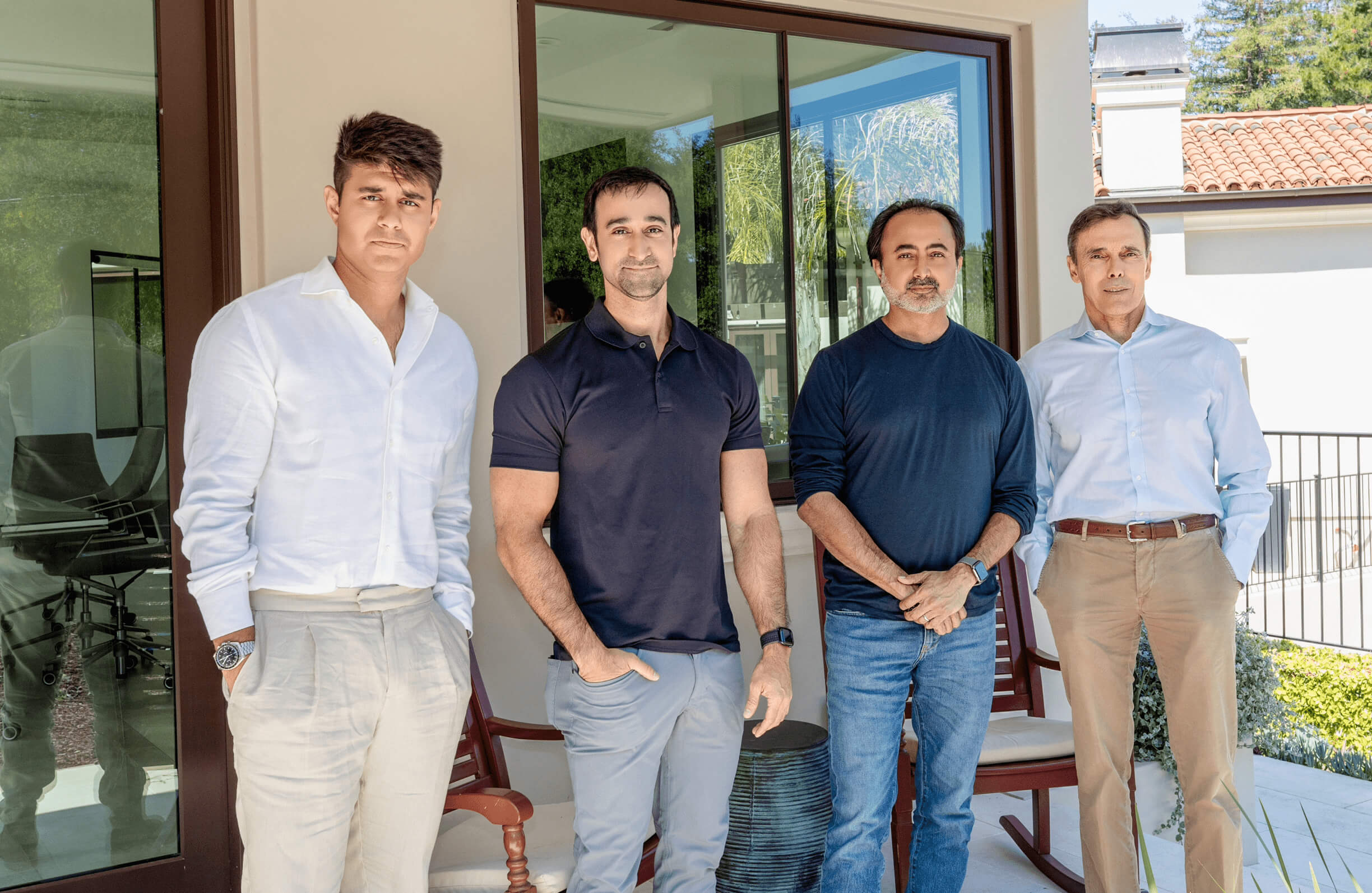
Today I’m excited to share that Commure/Athelas is signing to acquire Augmedix (NASDAQ: AUGX) and take the company private. Combined, we believe we’re creating one of the largest, most comprehensive, and fastest-growing artificial intelligence software suites in healthcare.
Augmedix is a pioneer in the space of Ambient AI-powered medical scribing, with technology and personnel serving over 20 major health systems and hundreds of sites of care. Together, we believe we can dramatically boost the productivity of every physician in America using language models that transcribe appointments, autonomously code them, and supercharge back-office operations for billing teams.
The companies together are on track to power over 3 million physician appointments using artificial intelligence, ambient scribing, and revenue cycle automation this year. Commure/Athelas Scribe, and Augmedix Go on average save a physician 2 hours of documentation time a day, reducing documentation time by more than 80%, and help generate billions of dollars in productivity savings for providers across the country.
Augmedix and Commure/Athelas both partner closely with the country’s premiere hospital systems. Augmedix’s progress in deploying LLM-powered technology within those systems has been genuinely amazing.
Commure/Athelas today processes billions of dollars worth of healthcare payments, and has the fastest growing Ambient AI scribe + documentation tool deployed within hundreds of health systems and private practices. Our technology suite helps power over 250,000 providers nationally. And with the Augmedix acquisition that number will grow even further.
As I’ve gotten to know Ian and Manny - founder and CEO respectively at Augmedix - it’s become clear they share a common passion with Commure/Athelas for deploying artificial intelligence to supercharge provider operations and boost the productivity of the US economy.
In line with the health assurance vision, we believe this combination further unlocks an ecosystem of companies that can collaborate to transform healthcare. In partnership with Augmedix, Commure/Athelas is poised to become the single, AI-powered interface for providers, accelerating innovation and our shared goal of creating a more proactive, accessible, and affordable system of care.
In the coming months, we hope to announce much more about how the combined company’s product suites will help transform provider operations at all the systems we partner with.
At the HIMSS session, “Expanding Patient Access and Reducing Costs with Interoperable AI Agents,” featuring Optimus Health Care and Commure, one theme emerged clearly: healthcare organizations are reaching a breaking point with administrative capacity.
Patient demand continues to rise, but staffing levels for call centers have struggled to keep pace, with a 35% annual turnover rate. The result is familiar across the industry: missed calls, long hold times, and administrative teams overwhelmed by routine requests.
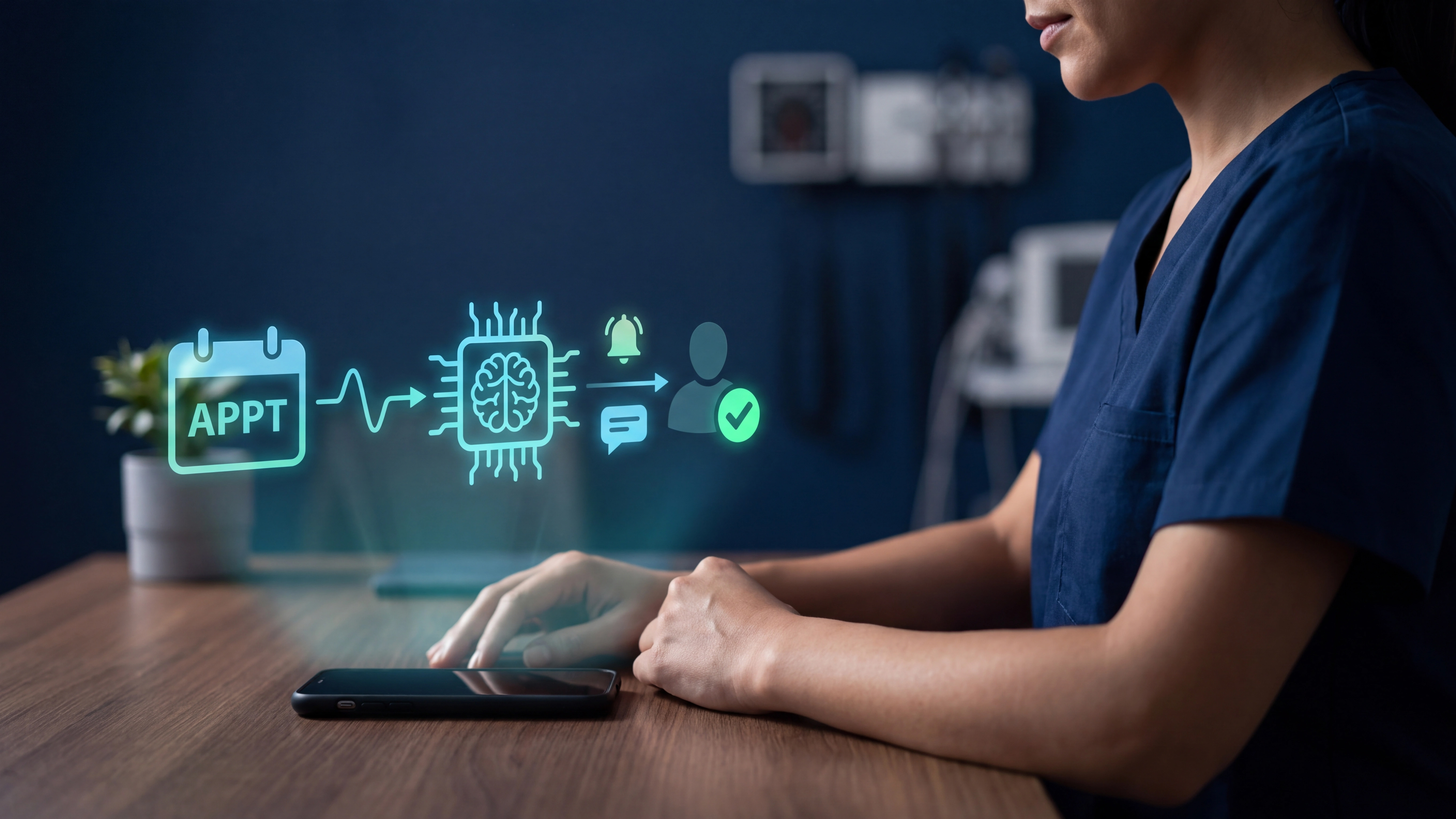
The session explored how a new generation ofAI-powered agents can scale call center capacity and improve access to care. Rather than simply routing calls or providing static chatbot responses, Commure’s Call Center Agents, part of Commure Engage, are designed to actively manage patient interactions, resolve common requests, and escalate complex situations when human attention is required. The goal is to improve patient access and experience without expanding staff.
Call Center Agents in Action
The session opened with a live demonstration of how Call Center Agents manage inbound patient calls in real time. The AI agent answers immediately, identifies the patient’s need, and guides the interaction to resolution—handling appointment scheduling, patient intake, department routing, and common questions through natural, conversational responses.
Rather than replacing staff, the agent resolves routine requests upfront, allowing teams to focus on cases that require human judgment and coordination. It can also respond to emotional cues, acknowledging frustration or discomfort, and is configurable to reflect each organization’s workflows and preferences.
The result is straightforward: calls are answered instantly, routine needs are handled without delay, and staff remain available for more complex patient interactions.
Optimus Health Care’s Perspective
For Optimus, improving patient access and operational efficiency has been a major priority. Gary Avery, Senior Director at Optimus, described the challenges many organizations face in managing high volumes of inbound patient communication.
“If patients are unhappy with long wait times and high abandonment rates, it pushes them to find another service provider.”
Research data supports this, with 60% of patients abandoning their call after more than one minute on hold, meaning answers regarding their health or next steps on care get delayed. Often, patients must make multiple calls to address a single issue.
As Gary explained, traditional call center models often struggle to keep up with peak demand. When call volume spikes, staff members are forced into a reactive posture, handling repetitive inquiries while more complex patient needs compete for attention.
AI agents offer a different model. By automating routine interactions, organizations can maintain responsiveness even during peak demand.
While earlier on in their deployment of Agents, Optimus will measure success by looking at improvements in:
Patient satisfaction scores and feedback
Call abandonment rates
Scheduling and fill rates
“In order for us to continue our mission as an FQHC, we absolutely have to have patients come through our doors.”
Gary emphasized that successful AI deployment requires early involvement from a broad group of stakeholders—including front office registrars, practice managers, clinical teams, IT teams, and operational leadership—to ensure the solution reflects real workflows, incorporates staff needs, and minimizes implementation issues.
The Impact of Call Center Agents
The operational impact of AI agents becomes particularly clear when applied at scale.
Across customer deployments using Commure Agents, organizations have observed significant improvements in how patient calls are handled. Agents provide 24/7 coverage, ensuring calls are answered even outside normal office hours.
For healthcare organizations managing large call volumes, this can translate into meaningful operational efficiency. Observed customer performance indicate:
800 labor hours saved per 10,000 calls handled
$240,000 in annual labor savings at same volume
30-80% of inbound calls can be resolved without staff intervention, depending on workflow design
A New Layer of Healthcare Operations
The session underscored an emerging shift in how healthcare organizations think about AI. For years, much of the focus has been on clinical documentation or analytics. But AI agents represent something different: operational intelligence applied directly to the front door of care delivery. By answering calls, resolving routine requests, and routing patients efficiently, agents can extend the capacity of administrative teams while improving the patient experience.
For organizations struggling with patient access and administrative workload, the emergence of AI agents may represent one of the most practical tools available today to solve one of healthcare’s most persistent operational challenges.
You likely had several options — why did you choose Commure?
Gautam Pradeep, Senior Software Engineer (BS Computer Science & Master's in Management Science & Engineering): I cared about healthcare, and I had worked in this field before. Everyone I spoke to about Commure emphasized how the culture fuels you to learn, grow, and become a stronger version of yourself every day. I was motivated by a challenge and was excited to dive deep into the field. I was also very excited about an in-person culture as my first full-time job.
Sabina Aliev, Senior Manager, Implementation (Master's in Community Health and Preventive Research): I knew I wanted to work in healthcare as I’d seen the inefficiencies in the system firsthand, and those were the problems I wanted to help solve. What drew me to Commure was that the vision felt bigger. It wasn’t about fixing one narrow issue, but building an ecosystem to tackle healthcare inefficiencies from multiple angles. That felt ambitious in the right way. Ownership was also a big factor. I kept hearing that you’re not boxed into one function. You collaborate across teams, shape product and process, and actually own things end to end. It felt like a place where I could have a real impact pretty quickly.
Luke Pattan, Vice President, GTM Ops (Master's in Business Administration): I chose Commure because of the opportunity to have a much broader impact in healthcare through software. In my previous roles at companies like Capsule and Charlie Health, impact was often constrained by human capacity—whether that was filling prescriptions or delivering therapy sessions. With software, you can scale improvements across thousands of providers and patients simultaneously. Commure stood out as a company where those scaling dynamics were already taking hold. It felt like a chance to apply my background while operating in a much higher-leverage environment.
How did Stanford prepare you for working at Commure?
Gautam: I was used to the idea of wearing many hats and taking on whatever roles I needed to. Whether that was a heads-down engineer, talking to customers, or interviewing fellow potential colleagues. Stanford has a strong culture of building well-rounded people. I think being able to tackle challenges across the stack and becoming comfortable being thrown into unfamiliar territories is an advantageous skill.
Sabina: Stanford taught me to look at problems from all sides. We were constantly asking: What are we actually trying to solve? Who are the stakeholders? What incentives are driving behavior? What are the second-order effects? I learned to think in systems, not in silos, and to get comfortable with messy, multifaceted problems. I also did my thesis in partnership with Omada Health, which gave me early exposure to how technology can solve real healthcare challenges. That connection between systems thinking and real-world innovation stuck with me.
Luke: Stanford prepared me by immersing me in the intensity and ambition of Silicon Valley. It gave me firsthand exposure to world-class operators, engineers, and investors, many of whom reflect the same mindset you see at Commure. The GSB ethos – “change lives, change organizations, change the world” – maps closely to what Commure is trying to achieve in healthcare. I also developed a strong foundation in managing and scaling teams, which has been directly applicable. Just as importantly, it taught me how to operate in fast-paced, high-expectation environments with a bunch of people who’re way smarter than you!
What is something you are really proud of accomplishing?
Gautam: I built out a new feature that unlocked a lot of market potential for Scribe that allows clinics with multiple doctors and multiple MAs, PAs, and medical scribes to integrate the app into their workflows collaboratively. It took a lot of scoping, cross-team communication, and speed – without compromising quality. Have seen a lot of doctors use it and enjoy the flexibility it has provided to their workflow
Sabina: The discovery work I’ve done onsite with clients and the early testing has helped shape our product. Spending time in the field, observing workflows, and gathering real provider feedback has allowed me to surface needs in a tangible way. Features like macros, CareCues, and carry forward all came from listening closely to customers and bringing those insights back to our product and engineering team.
Luke: I’m particularly proud of the team we’ve built within GTM Operations. Watching early-career team members take on larger responsibilities and grow into leaders has been incredibly fulfilling. I’ve also operationalized and up-leveled key functions like RevOps and Enablement, and built a Marketing function (including branding, events, and digital growth) from scratch. Seeing those systems drive quota and team performance has been a major milestone. It’s been exciting to build something foundational that the company can continue to scale on.
What’s something you love about your team that has nothing to do with work?
Gautam: They are all so down-to-earth and kind. I have 1:1 relationships with each team member. Coming in with that looming dread of parting ways with all your college friends, I genuinely felt welcomed and a strong sense of community.
Sabina: Honestly, everyone just really cares. People get genuinely excited about the impact we’re having on providers, and that energy is contagious. The team is just full of really good humans. Everyone is helpful, low ego, and easy to talk to.
Luke: One thing I love is how strong the New York City presence is on the team. It brings a unique energy – people are driven, scrappy, and know how to work hard. There’s also a shared appreciation for enjoying time together outside of work, whether that’s dinners or nights out. That balance of intensity and camaraderie makes the team special. It creates a culture that’s both high-performing and genuinely fun.
What would you tell another Stanford student considering Commure today?
Gautam: If you like to learn, work hard, and make a real-world impact - come join. Many companies like to flaunt that they are impactful, but seeing doctors get hours of their day back to be with their families makes all the work worth it. It’s one thing to hear about social impact from inside the company or an elite school. It’s another thing to hear it directly from the real people bearing the fruits of your labor.
Sabina: If you care about healthcare and want real ownership early on, this is a great place to be. You won’t be stuck in a tiny corner of a big machine. You’ll be close to the product, the customers, and the decisions. It’s fast-paced and sometimes messy, but you’ll learn a lot, quickly. If that excites you more than having everything perfectly structured, it’s a really fun place to grow.
Luke: I’d tell them that Commure is a place where performance and impact truly matter. It’s a no-nonsense environment where success comes from delivering real results for customers. If you’re excited by hard work, it’s an incredible place to grow quickly. You’ll be pushed outside your comfort zone, but that’s where opportunity lies. For someone who wants to build, learn fast, and make a tangible impact, it’s a great fit.
Tell us a little bit about yourself—what do you like to do outside of work?
Outside of work, I’m definitely a social person who thrives on being around people. Whether it’s grabbing dinner at a new spot in the city or driving across the bridge to Tiburon for the day, I love hanging out with friends and making the most of my time here in the Bay Area.
Beyond the social scene, I love spending time outdoors, especially living near the coast. Having grown up surfing in SoCal, being around the beach has always been a big part of my life. I also enjoy going on walks and exploring scenic spots around San Francisco.
I am a big sports fan as well. Whether it is football, basketball, soccer, or baseball, I love watching games with friends and keeping up to date with what is happening. For me, it is a great way to unwind and spend time with the people I care about.
As a kid, what did you want to be when you grew up?
When I was younger, I always wanted to be a sports broadcaster. I specifically wanted to be like Scott Van Pelt and host SportsCenter every night. I loved the idea of being on television, covering sports, and telling the stories about the biggest moments that day. While my career ended up taking a different path, that early interest definitely shaped my love for communication and storytelling, as well as never making me afraid of the moment. Maybe a podcast one day?
Describe a day in the life of your role.
I currently serve as the Sales Manager for the Commure Ambient AI team. My role focuses on supporting our Account Executives and helping them understand the best way to position and sell the product while guiding deals through the sales process.
When I first joined the company nearly three years ago, we were in the very early stages of building the go-to-market motion for this product. Since then, I have worked hands-on with the team to develop a repeatable process that allows us to convert opportunities at an above-average rate and deliver real value to our customers.
On a day-to-day basis, I collaborate with our sales team on strategy, help guide deals forward, assist with customer communication, and ensure we are following the sales motion that has proven successful. A big part of my role is helping the team stay consistent, improve their approach, and ultimately close more deals while delivering a great experience for providers.
What made you decide to join Commure?
What really convinced me to join Commure was visiting the office and seeing the team in action. There was an energy and sense of momentum that stood out immediately. Everyone in the office was working hard toward the same mission, and you could feel how quickly things were moving.
Another big factor was the product itself. Being able to sell something that genuinely improves the lives of healthcare providers is incredibly motivating. Our Ambient AI tool meaningfully improves providers’ daily workflows and delivers a clear return on investment, leading to happier customers and stronger long-term partnerships. It is extremely rewarding to work on something that delivers such a clear and positive impact.
How would you describe the culture at Commure?
The culture at Commure is incredibly fast-paced and driven, but in a very positive way. Speed above all else is one of our main mantras. The team is made up of people who move quickly, learn quickly, and are focused on winning together.
There is a strong sense of momentum across the company as we continue to scale and improve the product suite. Everyone is aligned around building something meaningful for healthcare, and that shared mission creates a culture of accountability, collaboration, and continuous improvement.
What advice would you give someone on their first day at Commure?
My advice would be to come in ready to contribute and hit the ground running. No matter what role you are in, the people who succeed here are the ones who take initiative and consistently deliver results.
One piece of advice that Deepika, our co-founder and COO, shared with me early on was the importance of consistency. If you consistently show up, execute, and deliver results over time, there is a lot of opportunity to grow here. That mindset has really stuck with me, has helped guide my own career at Commure, and has proven to be very true.
What has been your greatest accomplishment so far at Commure?
One accomplishment I’m particularly proud of is that I have never missed my quota throughout nearly three years at Commure, a streak I believe is a company record. Maintaining this level of performance and consistency is something I have always taken very seriously and will always strive to continue.
I have also been honored to receive a few internal awards, including the Scribe GOAT Award in 2024, which meant a lot to me.
Beyond individual milestones, one of the most rewarding parts of my journey has been helping build and grow the AI Scribe business since its early days. Seeing how far the product and team have come over the past few years and now having the opportunity to lead and support a talented group of account executives has been incredibly fulfilling.
Interested in a career building the next generation of healthcare technology powered by AI? We are always looking for talented people across our departments.
At HIMSS, healthcare leaders from a broad range of organizations shared how they are evaluating ambient AI as a promising new component of care delivery operations.
To dive deep into practical strategies, Commure hosted a panel session, “The Ambient AI Playbook: From Rural Care to Enterprise Scale,” featuring:
Vikesh Tahiliani, MD, MBA, VP of Clinical Documentation Transformation at HCA Healthcare Digital Transformation & Innovation
James Wellman, CHCIO, VP and CIO at Nathan Littauer Hospital and Nursing Home
Jamie Colbert, MD, MBA, Chief Medical Officer for Provider and Patient Experience at Commure
Both HCA Healthcare and Nathan Littauer discussed ambient AI in the context of clinical documentation workflows, offering an important perspective for health systems evaluating how AI can integrate into existing environments.
Despite their scale differences—HCA Healthcare operates 190 hospitals across 19 states and the United Kingdom while Nathan Littauer is a rural community hospital in upstate New York—both organizations are focused on the same industry-wide challenge: returning time to clinicians while ensuring accurate, timely documentation within their workflows.
Building an AI Strategy at Enterprise Scale: HCA Healthcare
HCA Healthcare has taken a deliberate approach to AI adoption through its Digital Transformation & Innovation (DT&I) organization, which identifies priority areas for care transformation, including clinical documentation.
After considering many potential partners, the organization selected Commure based on three defining strengths: confidence in its leadership, the demonstrated performance of its ambient technology, and its willingness to engage in a true co-development partnership.
For HCA Healthcare, that partnership model was essential. Ambient AI cannot simply be installed and expected to scale uniformly across a large health system. Each clinical environment operates with its own workflows, demands, and documentation patterns. Success depends on shaping the technology around the realities of patient care, not asking clinicians to conform to the technology.
Working closely with DT&I leadership and frontline care teams, Commure used direct provider feedback to iteratively refine its product and align it with real-world documentation workflows across the enterprise. That work also guided the necessary integration within HCA Healthcare’s existing EHR landscape.
This effort represents an important step in HCA Healthcare’s clinical documentation transformation. More broadly, it advances the organization’s vision for an intelligent documentation ecosystem that reduces administrative and cognitive burden, captures the full complexity of patient care and helps identify and close documentation gaps.
A Focused AI Roadmap for Community Healthcare: Nathan Littauer
Nathan Littauer approached AI adoption through a focused four-pillar strategy aligned with the full patient journey:
AI call center agents
Ambient clinical documentation
AI assistants for searching and summarizing medical records
Revenue cycle optimization
The goal is to deploy AI in areas where it can support measurable improvements to clinician workflows and operational efficiency. As these initiatives roll out, the organization is establishing clear metrics to evaluate impact across each focus area.
Within the AI call center, leadership is measuring improvements in patient access, including response times, reliability during peak demand, and the ability to provide consistent 24/7 coverage despite staffing constraints.
For ambient documentation, the focus is on reductions in physician documentation time, improvements in provider satisfaction, and the potential to support clinician recruitment and retention.
AI assistants are designed to help clinicians efficiently interpret large volumes of external records without overwhelming the EHR workflow.
Finally, within revenue cycle operations, the organization will track documentation completeness and coding accuracy, using AI to identify gaps earlier and support more reliable reimbursement.
Measurable Impact on Documentation and Clinician Time
HCA Healthcare is testing Commure Ambient AI with 1,400+ physicians across 50+ hospitals and three care settings, and early results show measurable improvement in clinical documentation quality while delivering time savings to providers. Clinical documentation accuracy, measured using the F1 score where 0.0 is low and 1.0 is best, has surpassed 0.8 and is approaching 0.9, exceeding typical industry benchmarks.
Efficiency gains are equally significant:
~8 minutes saved per history and physical note
~2.7 minutes saved per progress note
87% timely note completion rate, up from 69%
“Some of our data is showing us there is substantial time savings for the physicians. Anecdotally we’ve heard 2-3 hours per day per hospitalist,” shared Dr. Vikesh Tahiliani, VP, Clinical Documentation Transformation, HCA Healthcare Digital Transformation & Innovation
Early Results from HCA Healthcare*
Nathan Littauer is earlier in its ambient AI deployment journey but is already seeing strong feedback from Emergency Department physicians participating in early pilots within its clinical documentation environment.
Providers report that ambient documentation is simplifying note creation, often requiring only minor edits after the AI-generated draft.
“It’s truly giving time back to our providers. That improves satisfaction and I believe it will become a powerful recruiting tool in the future,” said James Wellman.
The Key to Successful AI Adoption
One clear lesson from both organizations is that technology alone does not drive adoption.
Successful deployments require strong leadership commitment, thoughtful change management, and close collaboration between clinicians and technology teams. For health systems, integrating ambient AI into existing documentation workflows—rather than requiring clinicians to adopt new processes—has been an important factor in adoption.
Most importantly, ambient AI should deliver a clear benefit to providers. When clinicians see that the technology reduces documentation burden and supports their daily workflow, adoption follows naturally.
For health systems navigating AI transformation, that principle remains an important measure of success, because it may directly translate to better care and experiences for patients and physicians.
Dr. Jamie Colbert (Commure), James Wellman (Nathan Littauer), Dr. Vikesh Tahiliiani (HCA Healthcare)
*These results are specific to HCA Healthcare’s implementation and based on internal data and methodology, and are not necessarily indicative of results other organizations should expect. Outcomes will vary depending on a range of factors, including workflow design, specialty, user adoption, and technology environment.
Why do so many Boston alums choose to be at Commure? We asked a few of them to share their perspective.
You likely had several options—why did you choose Commure?
Apoorva Tamaskar, Software Engineer (MS Computer Science): All of my family members work in Healthcare, so Commure's focus on the industry resonated with me. Beyond that, I was drawn to the company's growth and values—the fast pace nature, the emphasis on metrics and monitoring, and the chance to implement real, opinionated solutions that chip away at the bloat in healthcare costs. Having worked in both big tech and startup environments, I enjoy the latter style and pace more.
Vaidehi Shah, Operations Manager (MS Applied Data Analytics): Healthcare Tech was something I was inclined towards. I wanted to start my career working in a start-up rather than a big-tech cause of the opportunities to grow, learn and up-skill while working on a broader responsibility set.
Utkarsh Shrivastava, Software Engineer (MS Computer Science): I chose Commure because I wanted to begin my career in a fast-paced healthcare startup where I could take ownership early and work on problems with real, tangible impact. The opportunity to contribute directly to products that improve how healthcare is delivered made it an easy decision. That level of responsibility and visibility is rare in more traditional paths. I valued the chance to grow quickly while contributing to something that delivers immediate real-world value.
How have you grown and what is something you are really proud of accomplishing?
Apoorva Tamaskar: I've built a deep familiarity with business logic, database internals, CI/CD, Kubernetes management, and networking. I’ve also grown into mentoring and helping junior engineers on improving their systems. One thing I'm especially proud of is improving our CI/CD framework in a way that made the developer experience better for everyone at Commure.
Vaidehi Shah: I’ve developed a much stronger understanding of how a company operates and how business decisions are made. I’ve also grown significantly in my soft skills, especially in my confidence when speaking with clients and handling escalations. I’ve learned how to step back and think about problems at a higher level, and when it’s appropriate to zoom out versus dive into the details.
Utkarsh Shrivastava: I’ve grown tremendously by learning how to ship fast, reliable software in a high-impact environment. Beyond writing code, I’ve been involved in requirement-gathering sessions with doctors and other stakeholders, which gave me firsthand insight into how the healthcare industry operates. That exposure expanded my perspective from purely technical execution to product thinking and cross-functional collaboration. I’m proud to have worked on the EHR from its earliest stages and to see it scale into a mature, growing platform. Contributing to a system through multiple phases of development - from initial build to expansion - has been incredibly rewarding. It allowed me to experience the full lifecycle of building software in a dynamic environment.
What’s something you love about your team that has nothing to do with work?
Apoorva Tamaskar: Everyone has passions outside of work, and what I love is that people are genuinely happy to share them—whether that means teaching you something new or inviting you to participate.
Vaidehi Shah: I love how easy it is to laugh together. Whether it’s random Slack jokes or quick chats before meetings, it never feels stiff or overly formal.
Utkarsh Shrivastava: The people on my team genuinely enjoy working together. There’s a strong sense of camaraderie and mutual support. We push each other to do our best while keeping the environment fun and energizing.
What would you tell another Boston University student considering Commure today?
Apoorva Tamaskar: You'll be surrounded by engineers who are genuinely passionate about what they're building and always looking to improve. You'll have the chance to own multiple features and see firsthand how a product grows organically—challenges and all.
Vaidehi Shah: This is a great place to learn, grow, and continuously upskill. At the same time, the emphasis on “speed above all” and operating in a fast-paced environment is very real and shows up in day-to-day work.
Utkarsh Shrivastava: If you want to make a real impact early in your career, take ownership of meaningful projects, and work on technology that improves people’s lives, Commure is an incredible place to grow.
Healthcare is hard. Anyone who has worked in the industry long enough eventually arrives at the same conclusion.
Recently, while pulling a list of ambulatory providers across New York and New Jersey, I ran into another reminder of why. I was reviewing the electronic medical record (EMR) systems used across some of the largest outpatient organizations in the region. These are not tiny practices—they represent some of the most established ambulatory groups in the market.
Even within that relatively small sample, I counted 13 different EMR systems performing essentially the same functions for very similar organizations.
That’s before accounting for the long tail of small and medium-sized practices, where the variety expands even further.
The Hidden Cost of EMR Fragmentation
Many of these EMR systems are serviceable. Some are even good. But a number of them are simply outdated.
When provider organizations rely on sub-optimal technology, the result is technical debt: systems that are difficult to maintain, expensive to modify, and resistant to improvement. Operationally, that debt accumulates over time.
Yet replacing an EMR is often very challenging. The switching costs are enormous. Data migration, workflow retraining, regulatory compliance, and financial risk all make replacement a daunting undertaking. As a result, most healthcare organizations do what they must: they adapt and make the best of what they have.
This reality creates a complicated environment for innovation.
The Real Challenge of EMR Integration
For healthcare technology companies building tools on top of existing EMRs, the primary hurdle is integration.
Startups frequently claim they can “integrate” with EMRs. But the term often masks a much narrower capability. In some cases, integration might mean nothing more than receiving a basic HL7 schedule feed—a small slice of data that provides limited operational value.
True integration is far more complex. It requires the ability to:
Extract clinical and operational data from multiple sources
Transform that data into usable formats
Send information back into the EMR without disrupting workflows
Maintain reliability across dozens of different vendor systems
Achieving this at scale is one of the central technical challenges in healthcare IT.
A Different Approach to EMR Connectivity
At Commure, we’ve approached this problem by investing heavily in integration infrastructure.
Our AI-enabled integration engine, Colossus, connects with more than 60 commercially available EMR systems, including MEDITECH, Epic, athenahealth, and more. Rather than relying on a single integration pathway, it supports multiple connection types, including:
HL7
APIs
Front-end integrations
DOM injection
By extracting, transforming, importing, and validating data across these methods, we can move information reliably between systems. That allows healthcare organizations to deploy new technology without being constrained by the limitations of their existing EMR environment.
The result is practical: workflows that once required manual effort can be automated, and clinicians can spend more time focused on patient care rather than documentation and system navigation.
Progress in a Difficult Industry
Healthcare will likely always be complex. Regulatory demands, legacy technology, and operational scale make it one of the most challenging industries to modernize.
But complexity does not have to mean stagnation. With the right infrastructure, and a willingness to confront the messy reality of fragmented systems, it becomes possible to build technology that works across the healthcare ecosystem.
Healthcare is hard. But progress happens by solving one problem at a time.
Ambient AI has the potential to give clinicians something many of us thought we had lost: time.
Time to look patients in the eye instead of the computer screen, to think more carefully about clinical decisions, or to finish a shift without hours of documentation waiting at the end. But like any clinical tool, the value you get from ambient AI depends on how you use it.
As a hospitalist who uses ambient AI regularly, one lesson has become clear: the quality of the note is only as good as the input we provide. It’s not enough to press “record” when you walk into the room and stop when you leave. The best results come when you institute a few minor changes to your workflow to more fully take advantage of the power of ambient AI technology. Here are five simple habits that can dramatically improve the quality, accuracy, and completeness of AI-generated clinical notes.
1. Narrate Your Chart Review
The documentation process doesn’t start when you enter the patient’s room. Before I step inside, I start recording while reviewing the patient’s chart in the EHR. As I scan labs, imaging, and medications, I verbalize the relevant findings.
For example: “Patient admitted with pneumonia. White blood cell count trending down. Chest X-ray shows improving consolidation. Currently on ceftriaxone and azithromycin.”
This helps the AI capture the clinical context—the why behind the visit—before the patient conversation begins. It often produces a stronger HPI and clinical background without any extra work later.
2. Builds Patient Trust with Transparency
Patients are generally curious about the technology when they see it. Even if consent is already documented, I always ask for verbal permission at the start of the encounter and briefly explain what the tool is doing.
Something simple works well: “I use a tool that records our conversation and helps generate my clinical note so I can focus on our conversation instead of typing. Is that okay with you?”
Patients almost always appreciate the explanation. More importantly, they understand why I’m able to maintain eye contact instead of staring at a screen. Transparency turns the technology into a trust-building moment rather than a distraction.
3. Talk Through the Physical Exam
One habit that improves both documentation and patient understanding is thinking out loud during the physical exam. For instance: “Your heart sounds are normal. I’m hearing a little wheezing in the right lower lung.”
This approach accomplishes two things simultaneously. It keeps the patient informed and it gives the AI clear, structured data for the physical exam section of the note. Instead of trying to reconstruct the exam later, the documentation writes itself in real time.
4. Review the Plan in the Room
One of the most common causes of patient messages after discharge is simple confusion about the plan. To prevent this, I walk through the assessment and plan with the patient, and often their family, before the visit ends. Discussing the next steps out loud provides clarity for patients and allows the AI to capture a thorough plan directly from the conversation.
When done well, the plan section of the note is already complete when the visit ends.
5. Capture the “Post-Visit” Thoughts
Sometimes there are elements of clinical reasoning you may prefer not to discuss in detail while the patient is present. In those situations, I simply keep the recording running for about 30 seconds after leaving the room and dictate a quick summary of my thinking.
This brief “brain dump” captures the medical decision-making while it’s still fresh and ensures the cognitive work behind the plan makes it into the note.
Better Input, Better Output
When clinicians first adopt ambient AI, the instinct is to treat it like a passive recorder.
In practice, the technology works best when clinicians actively narrate the clinical encounter. With a few simple habits—verbalizing chart review, explaining findings, and summarizing plans—you can dramatically improve the output while simultaneously enhancing the experience for patients.
Because of these minor changes to my workflow, when I walk out of the exam room the patient is more informed as to their clinical situation and plan of care. And I have a clinical note that is 95% complete. That means less time documenting, and more time face-to-face with my patients.
Ambient AI clinical documentation is one of the most rapidly adopted AI solutions in healthcare, proving invaluable to reduce documentation time and improve accuracy. With over 50+ ambient AI solutions in the market, hospitals and health systems are looking beyond basic functionality. They require a partner equipped to support clinical documentation across care settings and specialties, integrate deeply within MEDITECH, and extend value well beyond the note through downstream automation, structured data capture, and enterprise-grade customization designed to scale.
This is especially true in the wide MEDITECH ecosystem, where organizations of all types are turning to Commure Ambient AI: from HCA, the nation’s largest for-profit health system, to vital rural community hospitals. As a trusted MEDITECH Alliance partner, Commure Ambient AI is integrated into both MEDITECH Expanse and Expanse Now.
Commure’s position in the MEDITECH market reflects breadth of deployment and depth of experience. Commure has earned Straight A’s from KLAS for ambient documentation, was the first-to-market pioneer of the ambient AI space within healthcare, and today supports more MEDITECH providers than any other ambient documentation partner currently available.
Scale That Spans the Spectrum of Care
Commure is currently deployed across a diverse map of care settings throughout the U.S., with proven impact in deployments across inpatient and outpatient settings, and countless specialties including hospitalists, cardiology, emergency medicine, orthopedics, and more.
Enterprise Scale: We are proud to support the largest MEDITECH organizations in the U.S., including HCA Healthcare, deploying solutions that withstand the pressure of high-volume, high-complexity environments.
Regional Powerhouses: Mid-sized and regional health systems, such as DRH Health and Bethany Children’s, are utilizing our platform to standardize care and streamline operations across ambulatory and specialty departments.
Community & Rural Impact: At facilities like Val Verde Regional Medical Center, Commure is a force multiplier, allowing clinicians in resource-constrained environments to focus entirely on patients rather than screens.
Measurable Impact Across MEDITECH Organizations
The impact of Commure Ambient AI is reflected in both operational metrics and how clinicians describe their day-to-day work after adoption. Across MEDITECH organizations of varying size and complexity, the platform has delivered measurable improvements in documentation efficiency, clinician satisfaction, and care delivery.
Supporting Practice at the Top of License
By shifting the balance away from clerical work, ambient documentation allows clinicians to focus more fully on clinical judgment, patient interaction, and decision-making. At Medical City Dallas, part of HCA Healthcare’s North Texas Region, the introduction of Commure Ambient AI resulted in:
18% reduction in time spent completing histories and physicals
11% increase in H&Ps signed within one week
“I never want patients to feel like I'm rushed. This helps make sure they don’t.” — Dr. Geoffrey Burnham, Hospitalist Director, Medical City Dallas
Streamlining Longitudinal Chart Review
The operational value of Ambient AI extends beyond drafting documentation. Forward-thinking health systems are recognizing that documentation is only one component of administrative burden inside the EHR.
At Valley Health System, leadership has emphasized that information retrieval and chart navigation often consume as much time as writing the note itself.
“Of the time spent in the EHR on administrative tasks, documentation is one part of it,” said K. Nadeem Ahmed, MD, System Chief Medical Information Officer at Valley Health System. “Searching for information and reviewing the medical record consumes far more time—and cognitive burden—than simply writing the note.”
Commure delivers measurable value not merely by accelerating note creation, but by synthesizing patient context, reducing time spent navigating the record, and supporting clinical decision-making within the native MEDITECH workflow.
Improving Clinician Retention and Satisfaction
For many clinicians, documentation burden is a deciding factor in whether they remain in practice. At Pioneers Medical Center, Commure Ambient AI has helped restore sustainability to clinical work by reducing after-hours charting and cognitive load.
“I was getting to the point where I was considering changing my career because I had no life… I’m now incredibly happy. I left for a two-week vacation with absolutely nothing on the table and could walk away without any stress.” — Andrea Hazelton, Nurse Practitioner, Pioneers Medical Center
Saving Meaningful Time at Scale
Time reclaimed during the clinical day compounds quickly in high-volume environments. At Salina Regional Health Center, clinicians report measurable reductions in documentation time per encounter, translating into hours returned each week.
“The solution is super user friendly and easy to navigate. Seeing 30 patients a day, it saves around three minutes per chart—roughly 90 minutes every day. That’s time that can be spent doing something more valuable.” — Dr. David Dupy, Urgent Care Physician, Salina Regional Health Center
These outcomes reflect what happens when Commure Ambient AI is deployed with sufficient integration depth and operational rigor to be an infrastructure that clinicians can rely on.
Enhancing Note Quality and Accuracy
For regional health systems, the value of Ambient AI extends beyond efficiency. At DRH Health, adoption of Commure Ambient AI was framed as a strategic investment in elevating the standard of clinical documentation across the organization:
“Commure’s Ambient AI offers an intuitive, clinician-centered solution that eliminates administrative burden while enhancing the quality and accuracy of every note. For a regional system like ours, it’s an important investment in both our people and the patients we serve.” – Roger Neal, Vice President and Chief Operating Officer at DRH Health
Leadership teams are increasingly focused on the integrity, completeness, and clinical accuracy of the medical record, recognizing that documentation quality underpins compliance, coding precision, continuity of care, and long-term patient outcomes.
Deeply Embedded Within MEDITECH Workflows
Commure Ambient AI operates inside MEDITECH Expanse and Expanse Now, supporting the full lifecycle of clinical documentation. It spans from pre-visit context through chart completion and downstream use, without requiring clinicians to leave their native workflows.
Rather than treating the note as an isolated artifact, Commure supports the full clinical documentation lifecycle: preparation, encounter capture, chart completion, and downstream use.
Adaptive Ambient AI documentation that reflects clinical practice Providers retain control over note structure, detail, and formatting based on specialty and personal workflow. The system learns from edits over time, enabling consistency without enforcing rigid templates or standardization.
Configurable carry-forward logic to reduce redundancy User-defined rules determine what information persists across encounters and how it is presented, minimizing repetitive documentation while preserving clinical accuracy.
Inline clinical guidance during chart completion As documentation is finalized, the platform surfaces real-time Ambient CareCues for missing elements or quality considerations, supporting documentation integrity and compliance without adding external review steps.
Encounter-level coding intelligence embedded in workflow Autonomous Coding CPT and ICD-10 suggestions are generated directly from the clinical narrative, reducing downstream rework and supporting revenue integrity without increasing clinician burden.
Longitudinal patient context at the point of care AI-powered Assistant feature synthesizes information across the patient chart, allowing clinicians to query history in natural language, receive responses grounded directly in MEDITECH data, guardrail with ensembles of clinical models.
Integration Depth to Support Scale and Complexity
Commure’s integration approach is not one-size-fits-all. Depending on organizational needs, the platform leverages structured data mapping through its API (supporting discrete HPI, ROS, physical exam elements, orders, coding, clinical impressions, and filing patient instructions in A&P or problems to a document) or advanced front-end automation. Forward Deployed Engineering teams work directly with health systems, including on-site engagement when needed, to ensure reliability across complex MEDITECH environments.
The collaboration between Commure and MEDITECH demonstrates the power of uniting Silicon Valley innovation with the pioneers who created and scaled the modern EHR. We are building a future where technology is invisible, but its impact is undeniable.
For provider groups utilizing MEDITECH Expanse, big and small, the question is no longer if they should adopt Ambient AI, but who has the proven scale, security, feature-set, and deep integration to support them for the long haul.